Modern homes are built around light, open space, and clean lines. Glass doors deliver all three, turning an entrance or a backyard wall into a feature that brightens the whole interior. For many homeowners, they’re the single change that makes a home feel updated.
Exterior glass doors look simple, but choosing the right one involves several decisions. You’ll need to pick a door style that fits the opening and how you use the space. The glass has to meet safety rules and suit your needs for privacy and security, and the energy ratings should hold up in NYC winters and summers. You’ll also need a frame that fits your home’s design, plus any approvals your building or neighborhood requires. Getting these details right is what makes a glass door look great, work smoothly, and last for years.
Types of Exterior Glass Doors for Modern Homes
The right style depends on where the door goes and how much space you have to open it. This comparison covers the most common options:
| Door Type | How It Opens | Best For | Space Needed |
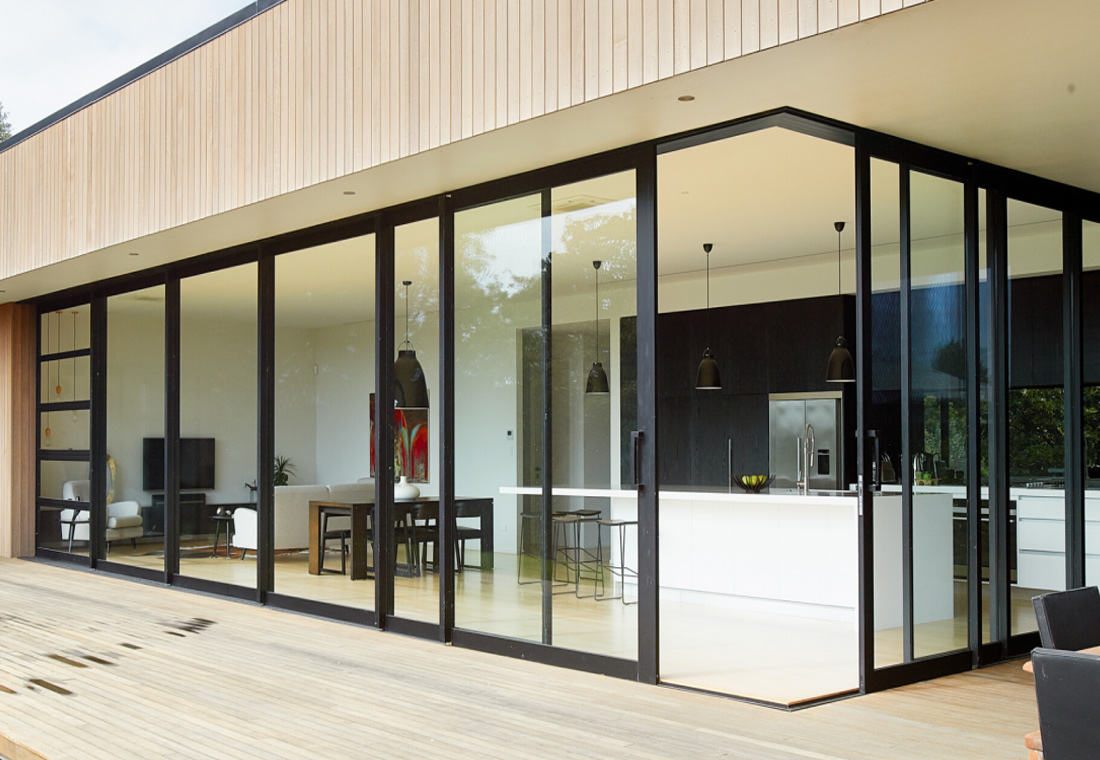
| Sliding glass doors | Panels slide along a track | Patios, balconies, and terraces | No swing space |
| French doors | Two hinged doors open in or out | Gardens and wide openings | Clear swing area |
| Pivot doors | Rotate on a pivot point instead of side hinges | Statement front entrances | Clear swing area on both sides of the pivot |
| Folding or bi-fold doors | Panels fold and stack to one side | Opening a whole wall to the outdoors | Space for stacked panels |
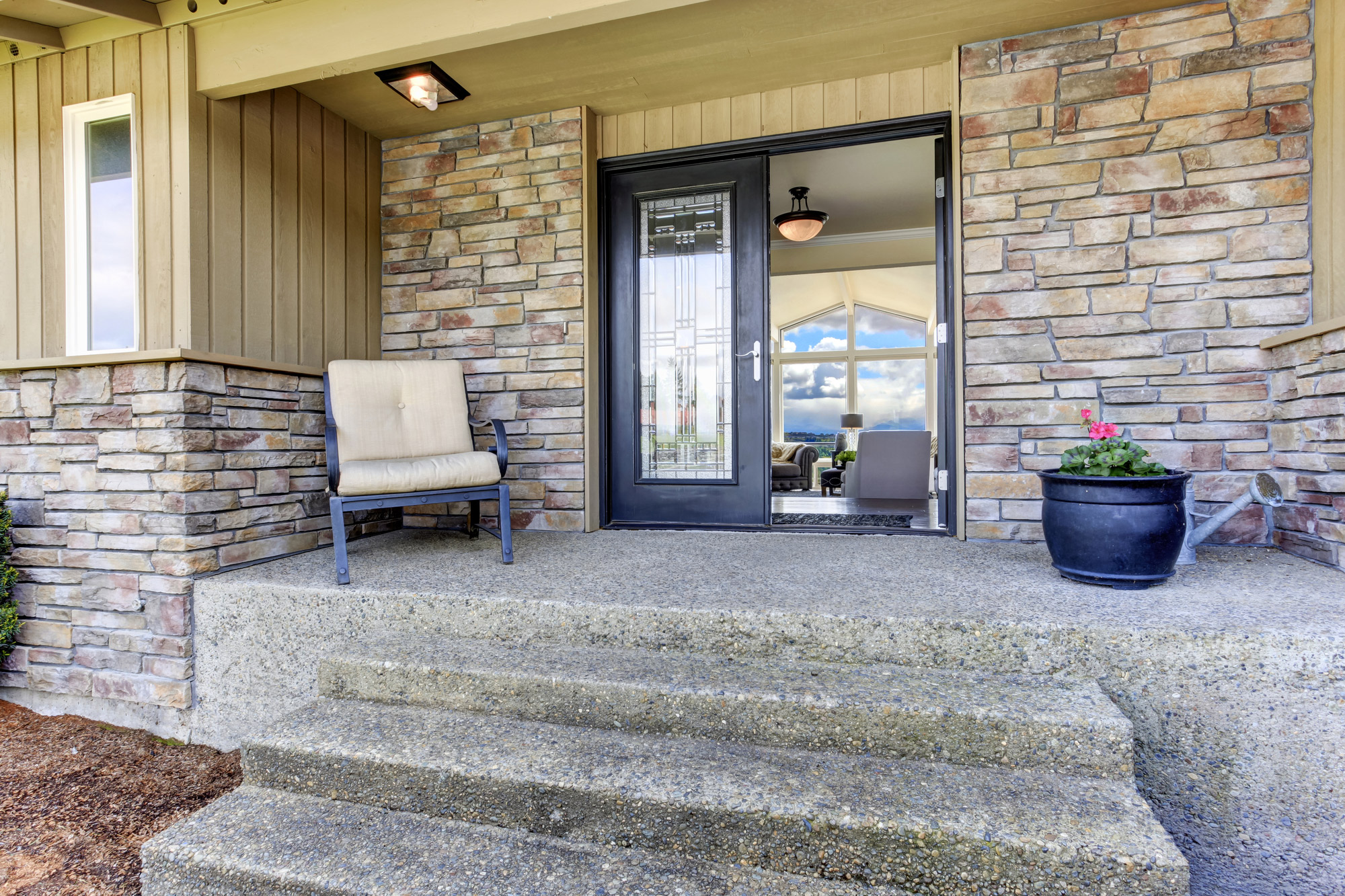
| Glass front entry doors | Standard hinged door with a large glass panel | Main entrances | Standard door swing |
Choosing a Style for Your Space
Each style suits a different kind of space. These points help narrow the choice:
- Tight Spaces: Sliding doors work well on balconies and small terraces, since they don’t swing into furniture or walkways.
- Wide Openings: Folding doors can open most of a wall, which suits homes with backyards or large terraces.
- Entrances: Pivot and glass entry doors create a strong first impression at the front of the home.
- Traditional Settings: French doors fit homes that mix modern updates with classic architecture.
Framed, Partially Framed, and Frameless Designs
The amount of frame around the glass shapes how modern the door looks. These three designs offer different looks and levels of structure:
- Framed Doors: The glass sits inside a full frame of wood, steel, or other materials, which adds structure and fits many home styles.
- Partially Framed Doors: The frame covers only the top and bottom or the sides, giving a lighter look with some added support.
- Frameless Doors: The door is made almost entirely of glass and held with heavy-duty hinges and hardware, giving the most open, minimal look.
We custom build framed, partially framed, and frameless glass doors, which lets you match the door to your home’s style and the opening you have.
Glass Options and Safety Requirements
Glass choice affects safety, privacy, energy use, and security. It’s also the part of the door governed by federal rules.
Why Doors Require Safety Glass
Glass in doors breaks more often than glass in most windows, since people push on it, walk into it, and slam it. The federal safety standard for architectural glazing applies to doors, storm doors, and patio-type sliding glass doors and aims to reduce injuries when glass is broken by human contact. It also sets a tougher impact category for sliding glass doors and for doors with any single piece of glass larger than 9 square feet. For modern doors with large glass panels, that means the glass must be tempered, laminated, or another approved safety glazing.
Common Glass Types for Exterior Doors
Different glass types solve different problems. This table shows what each one does:
| Glass Type | What It Does | Best Use |
| Tempered glass | Heat-treated for strength and breaks into small pieces | Standard safety glass for most doors |
| Laminated glass | Glass layers bonded to a plastic interlayer that holds fragments in place | Added security and noise reduction |
| Insulated glass | Two or three panes with a sealed space between them | Energy efficiency and comfort |
| Low-E coated glass | Thin coating that reduces heat transfer | Year-round energy savings |
| Obscured or frosted glass | Lets light in while blocking clear views | Front doors and street-facing openings |
| Tinted glass | Adds color to reduce glare and sun heat | Sunny exposures and added privacy |
These types can be combined. For example, an insulated unit can use tempered or laminated glass with a low-E coating, which gives safety, security, and efficiency in one door.
Energy Efficiency and Performance Ratings
Glass lets heat escape faster than a solid, insulated door. That makes energy performance one of the most important factors for exterior glass doors, especially in NYC winters and summers.
Reading the NFRC Label
Most rated doors carry a label from the National Fenestration Rating Council. These four ratings tell you how a door will perform:
- U-Factor: Measures how well the door keeps heat from escaping. As per NFRC, the lower the number, the better it is at keeping heat in.
- Solar Heat Gain Coefficient: Shows how much solar heat passes through. Lower numbers keep rooms cooler in summer.
- Visible Transmittance: Measures how much daylight comes through. Higher numbers let in more natural light.
- Air Leakage: Shows how much air passes through the door. Lower numbers mean fewer drafts.
ENERGY STAR and Glass Content
ENERGY STAR sets separate targets based on how much glass a door has. It explains that doors must meet U-factor and, where applicable, SHGC requirements based on glazing level, meaning the amount of glass in the door. Full-glass doors are held to different targets than doors with small glass panels.
Features That Improve Efficiency
Several features help a glass door hold heat in winter and keep it out in summer. Look for these:
- Double or Triple Panes: Sealed layers of glass slow heat transfer.
- Low-E Coatings: Thin coatings reflect heat while letting light through.
- Thermally Broken Frames: Metal frames with an insulating break reduce cold transfer.
- Quality Weatherstripping: Tight seals around the door cut drafts.
One tax change is worth knowing about. The federal energy-efficient home improvement credit that once covered exterior doors isn’t allowed for property placed in service after December 31, 2025, so doors installed in 2026 don’t qualify. Efficient doors still pay off through lower energy bills and better comfort.
Frame Materials Compared
The frame affects strength, efficiency, upkeep, and style. This table compares the most common materials:
| Frame Material | Strengths | Things to Consider |
| Aluminum | Slim profiles, strong, and low upkeep | Needs a thermal break for good efficiency |
| Steel | Very slim sightlines and high strength | Higher cost and needs good insulation and finish |
| Wood | Warm, classic look | Needs regular sealing or painting |
| Fiberglass | Good insulation and resists warping | Fewer ultra-slim options |
| Vinyl | Affordable and energy efficient | Bulkier frames and fewer color options |
Modern homes often favor slim aluminum or steel frames, since they keep the focus on the glass. Frameless designs remove the frame from the door panel itself, relying on strong glass and hardware.
Security and Privacy
Many homeowners worry that glass makes a door easier to break through or leaves the home too exposed. The right choices address both concerns.
Security Features
Glass doors can be made much harder to force open. These features add protection:
- Laminated Glass: The bonded interlayer holds broken glass in place, which makes it harder to get through quickly.
- Multi-Point Locks: Locks that secure the door at several points resist prying.
- Strong Hardware: Heavy-duty hinges, pivots, and tracks keep doors firmly in place.
- Secure Sliding Door Locks: Added bars or anti-lift features stop panels from being lifted off the track.
Privacy Options
Street-facing doors often need privacy without losing light. These options help:
- Frosted or Obscured Glass: Blurs views while letting light through.
- Tinted Glass: Reduces visibility from outside during the day.
- Partial Glass Designs: Combine clear and frosted sections for light and privacy together.
What NYC Homeowners Should Know
New York City adds rules and building conditions that affect exterior door projects. Planning for them early prevents delays.
Landmarks and Historic Districts
Many NYC brownstones and rowhouses sit in historic districts. If your building is a landmark or in a historic district, the city explains that replacing windows or doors requires a Permit for Minor Work from the Landmarks Preservation Commission. The Commission reviews whether the new door suits the building and district, so modern designs on historic facades may need adjustments.
Building Approvals and Permits
Co-ops and condos usually require board approval before exterior changes, along with insurance certificates and set work hours. Projects that widen openings or change structure may also need Department of Buildings permits, which usually involve a licensed architect or engineer.
Older Openings and Access
NYC homes come with their own challenges. These are the most common:
- Out-of-Square Openings: Older buildings often have openings that aren’t perfectly square, which calls for precise measuring.
- Delivery Limits: Large glass panels need a clear path through stairwells, elevators, and hallways.
- Wind Exposure: Doors on terraces and higher floors face stronger winds and need sturdy framing and hardware.
Installation and Maintenance
Even the best door performs poorly when it’s installed badly. Proper installation keeps water out, the door working smoothly, and the energy ratings intact.
What Good Installation Includes
These steps matter most during installation:
- Accurate Measuring: Exact measurements ensure custom glass fits the opening.
- Level and Square Setting: The frame must be level so the door closes and seals properly.
- Water Management: Proper sill protection, flashing, and sealing keep rain out.
- Hardware Adjustment: Hinges, pivots, and rollers need fine-tuning for smooth operation.
NY Glazing Group’s team takes photos and measurements before every installation, which helps each glass door fit its opening correctly.
Simple Maintenance Habits
Glass doors need little upkeep, but a few habits keep them working well:
- Clean Tracks: Vacuum sliding door tracks to keep rollers moving freely.
- Check Weatherstripping: Replace worn seals to prevent drafts and leaks.
- Tighten Hardware: Check hinges, handles, and locks once or twice a year.
- Clean Glass Gently: Use non-abrasive cleaners to protect coatings.
Questions to Answer Before Choosing Exterior Glass Doors
Answering these questions helps you pick the right door for your home:
- Where Is the Door Going? Front entry, backyard, balcony, or terrace?
- How Much Space Is There? Is there room for a swinging door, or is sliding better?
- How Much Privacy Do You Need? Is the door facing the street or neighbors?
- Which Glass Fits Your Needs? Tempered, laminated, insulated, low-E, or a mix?
- What Frame Style Suits the Home? Framed, partially framed, or frameless?
- Does Your Building Need Approvals? Landmark, co-op, or condo rules?
Takeaway
Exterior glass doors can transform a modern home, bringing in light and opening rooms to the outdoors. The best choice matches the door style to the space, uses safety glass that meets federal rules, and has strong energy ratings for NYC’s climate. Pick a frame that fits your home’s design, and add security and privacy features where needed. In NYC, landmark permits, building approvals, and precise installation are just as important as the door itself.
At NY Glazing Group, we custom fabricate and install exterior glass doors for homes and businesses across New York City and New Jersey. From framed and frameless entry doors to exterior sliding glass doors and door replacements, we work with tempered, laminated, obscured, tinted, and insulated glass to match your style and needs. Our team measures each opening before installation and works with you from design through final fit.
Call 1-855-694-5294 or contact us to plan your exterior glass door project.
Frequently Asked Questions
Are exterior glass doors safe?
Yes, when they use the right glass. Federal rules require safety glazing in doors and sliding glass doors, which means tempered, laminated, or other approved safety glass. Tempered glass breaks into small pieces, while laminated glass holds together when broken.
Are glass doors energy efficient?
They can be. Look for insulated glass with two or three panes, low-E coatings, thermally broken frames, and tight weatherstripping. Check the NFRC label, where a lower U-factor means better insulation.
What is the best glass for an exterior front door?
It depends on your priorities. Tempered glass covers basic safety, laminated glass adds security, and frosted or obscured glass adds privacy. Many front doors combine safety glass with insulated panes and a privacy finish.
Do I need a permit to replace an exterior door in NYC?
It depends on your building. Landmarked buildings and homes in historic districts need an LPC permit to replace doors. Co-ops and condos usually need board approval, and projects that change the size of the opening may need a Department of Buildings permit.
Are frameless glass doors secure?
Frameless doors can be secure when built with thick safety glass, strong hinges or pivots, and quality locks. Laminated glass adds another layer of protection, since the interlayer holds the glass together if it breaks.
Can I still get a tax credit for energy-efficient doors in 2026?
No, the federal energy-efficient home improvement credit ended for property placed in service after December 31, 2025. Energy-efficient doors still reduce heating and cooling costs over time.
How long do exterior glass doors last?
With good installation and basic care, quality glass doors can last for decades. Seals and weatherstripping may need replacing sooner, and sliding door rollers benefit from regular cleaning.