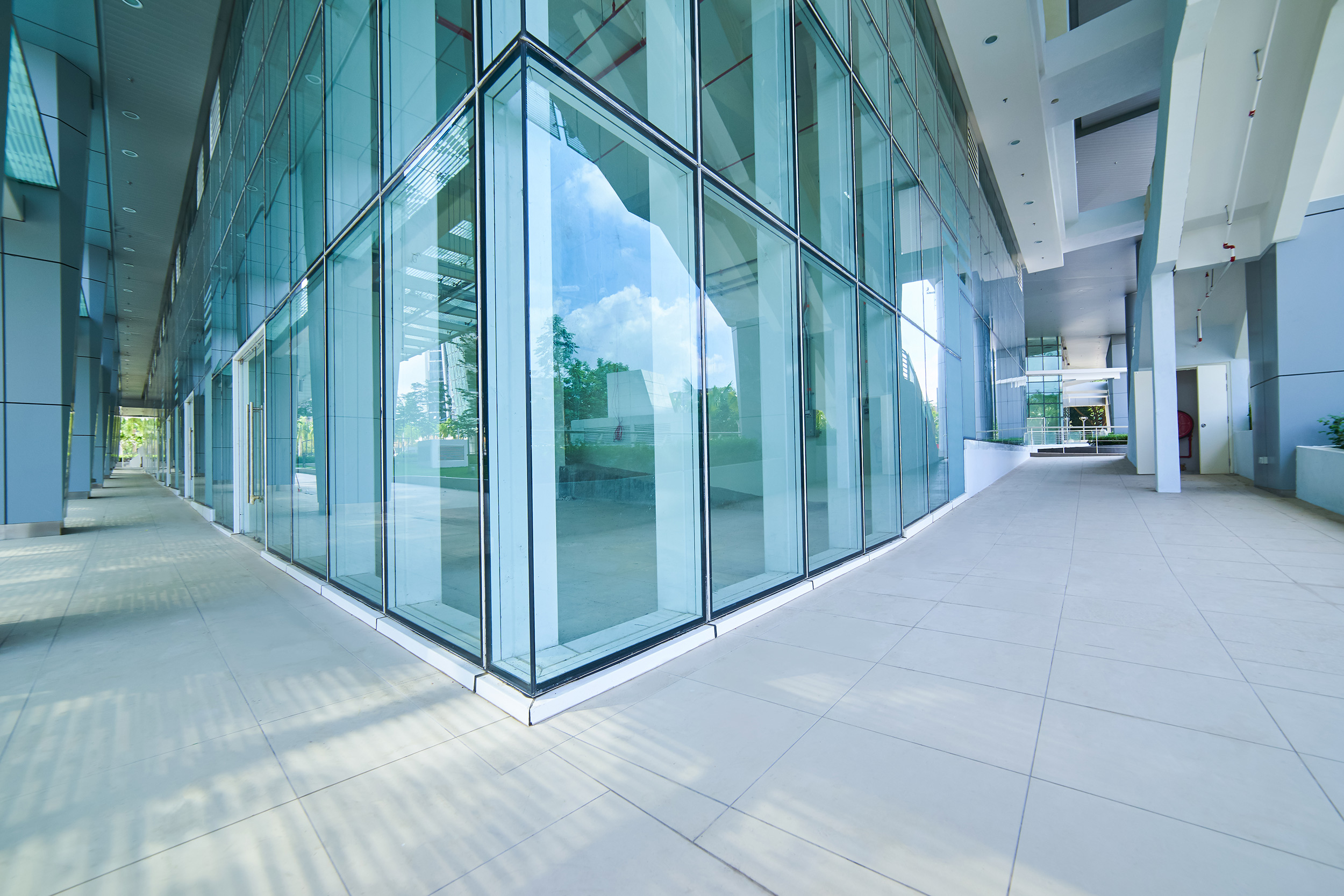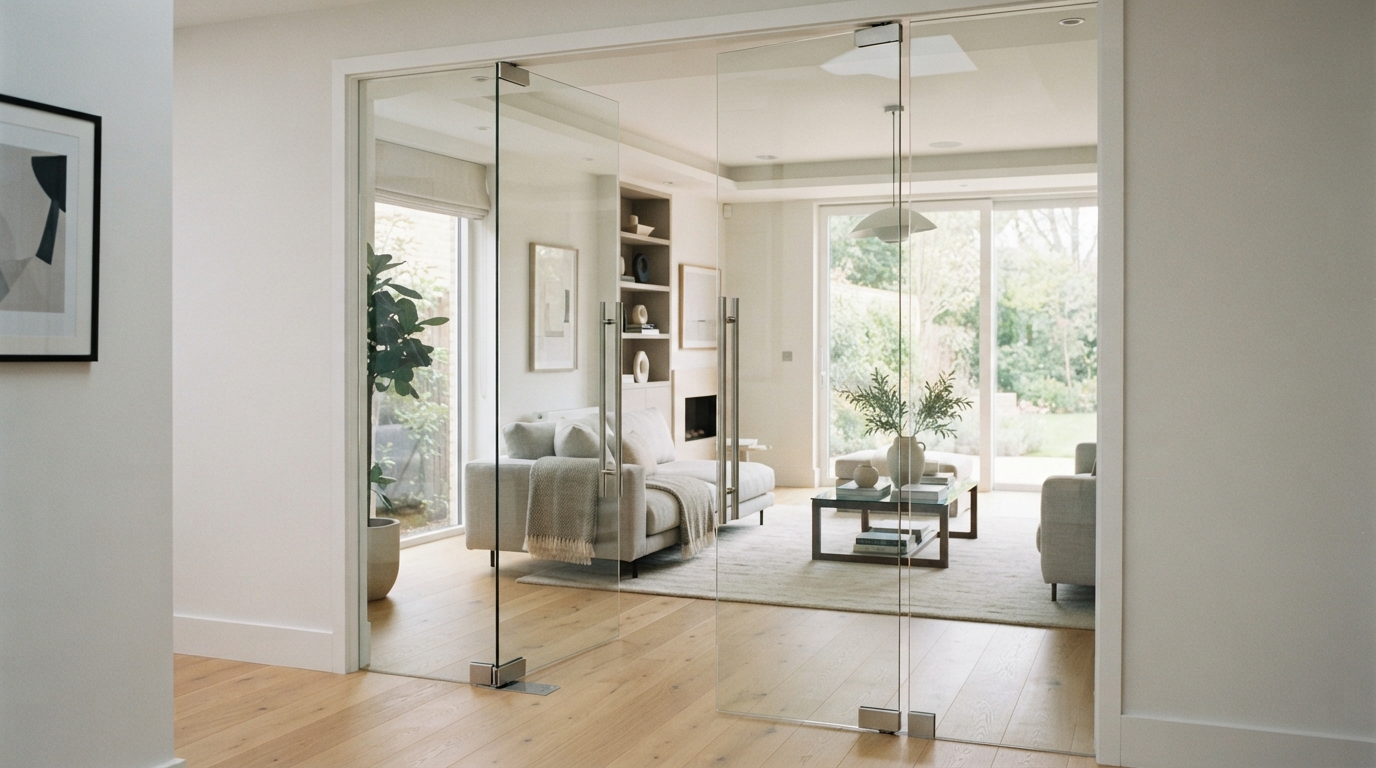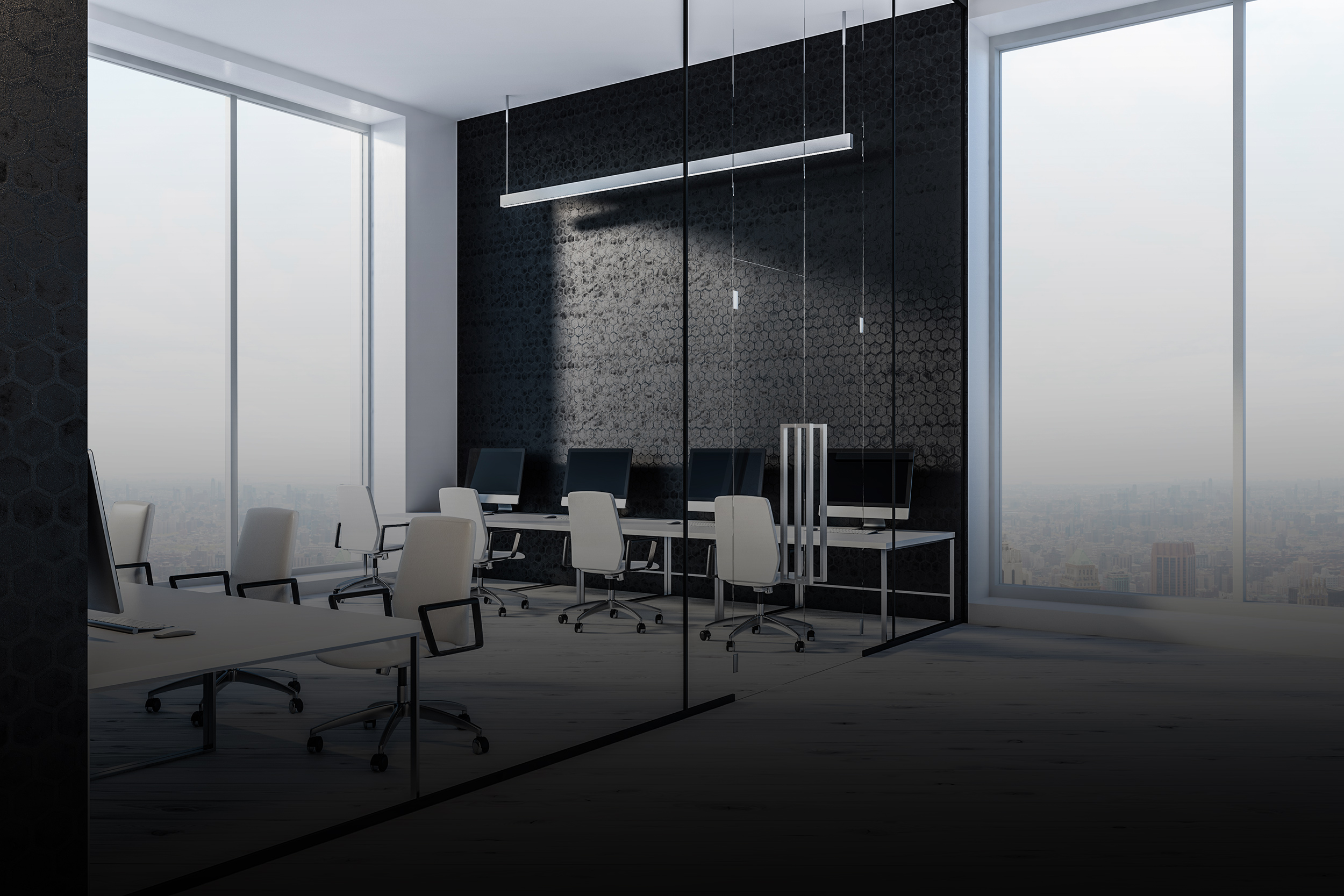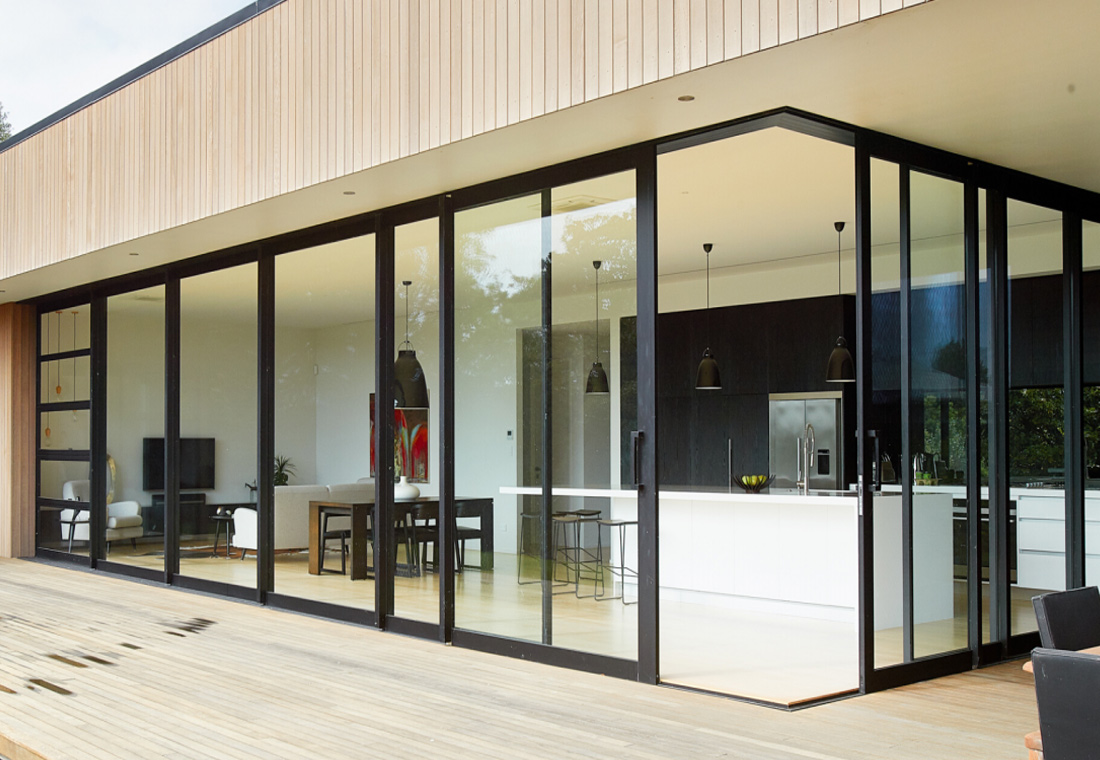
Energy costs for commercial buildings in New York City are rising, and so are the penalties for buildings that fail to meet the city’s carbon reduction targets. For property owners and developers looking at both performance and compliance, Glass Curtain Wall Systems in NYC have become one of the most relevant building envelope solutions on the market right now.
What NYC’s Energy Laws Mean for Building Owners?
Local Law 97, which took effect in 2024, sets carbon emission limits for most buildings over 25,000 square feet in New York City. Buildings that exceed those limits face fines of $268 per ton of CO2 over the cap. According to the Urban Green Council, a large portion of existing commercial buildings in NYC will face penalties unless they take steps to reduce their energy consumption.
The building envelope, meaning the walls, windows, and roof that separate the interior from the exterior, is one of the primary areas where energy is lost or gained. A poorly performing façade forces HVAC systems to work harder throughout the year. A well-designed curtain wall system reduces that load significantly.
The Energy Performance Features That Matter Most
Insulated Glass Units
Modern curtain wall systems use insulated glass units, commonly called IGUs, which consist of two or three layers of glass separated by sealed air or gas-filled spaces. The gas between the panes, typically argon or krypton, reduces heat transfer significantly compared to a single pane.
The U-value of the glazing measures how well it resists heat flow. A lower U-value means less heat passes through the glass. For commercial buildings in NYC where heating and cooling loads are substantial, the U-value of the curtain wall glazing is a measurable factor in annual energy costs.
Low-Emissivity Coatings
Low-e coatings are microscopic metallic layers applied to the glass surface that reflect infrared radiation while allowing visible light to pass through. In summer, they reflect exterior heat away from the building. In winter, they reflect interior heat back into the space rather than letting it escape through the glass.
For south and west-facing façades in Manhattan and Brooklyn that receive direct sun exposure for much of the day, low-e coatings reduce solar heat gain and lower the cooling load on the HVAC system. This is one of the more cost-effective performance upgrades available within a curtain wall specification.
Thermally Broken Framing
The aluminium framing that holds the glass panels in a curtain wall is a natural path for heat to travel between the interior and exterior. In standard aluminium framing, that heat path is uninterrupted, which creates condensation issues and reduces the thermal performance of the system.
Thermally broken frames include a non-conductive material, typically polyamide, inserted between the interior and exterior aluminium sections. This interruption reduces heat conduction through the frame and improves the overall thermal performance of the curtain wall assembly.
Also Read: Top Glass Railing Designs for Modern NYC Buildings
Air and Water Infiltration Control
Even the best glass performs poorly if the system around it allows air or water to pass through joints and seals. Air infiltration in a curtain wall system forces the HVAC to compensate for unconditioned air entering the building, which adds directly to energy consumption.
Glass Curtain Wall Systems in NYC that are correctly specified and installed meet ASTM standards for air infiltration and water resistance. The difference between a properly sealed system and one with compromised joints shows up in both energy bills and interior comfort throughout the year.
Daylighting as an Energy Strategy
One of the less-discussed energy benefits of curtain wall glazing is daylighting. When the glass specification allows the right amount of visible light into the building while controlling solar heat gain, occupants can work with natural light for most of the day. This reduces artificial lighting load, which in large commercial buildings accounts for a meaningful portion of total energy use.
The balance between visible light transmission and solar heat gain coefficient is a key specification decision in curtain wall design. Getting that balance right for the building’s orientation and use type requires input from the glazing contractor early in the design process.
Curtain Walls and Local Law 97 Compliance
For building owners facing LL97 penalties, the building envelope is one area where investment produces measurable results. Replacing an aging single-pane or under-performing curtain wall system with a thermally broken, IGU-based system reduces the building’s energy consumption and its associated carbon emissions.
Combining curtain wall upgrades with other envelope improvements, such as storefront glazing replacement or window system upgrades, creates a more complete thermal barrier that supports compliance across the building’s full carbon profile.
When a Curtain Wall Upgrade Makes Financial Sense?
The question most building owners ask is whether the cost of upgrading or replacing a curtain wall system is justified by the savings. For NYC commercial buildings facing LL97 fines, the calculation changes significantly. A building paying $50,000 or more per year in carbon penalties has a strong financial case for envelope improvements that reduce those fines while also lowering operating costs.
For new construction, specifying Glass Curtain Wall Systems in NYC with high thermal performance from the start avoids the cost of retrofitting later and positions the building for compliance with energy standards that are only going to become stricter over time.
NY Glazing Group installs and replaces glass curtain wall systems for commercial buildings across New York City. Contact us today, and we will review your building’s current envelope performance and walk you through the options that address both energy efficiency and code compliance.